
Restoring heart health through expertise and innovation.
Helping patients achieve better heart health through advanced cardiac interventions and evidence-based medicine.
View profile
0+
Year of Experience
0+
National Faculty Engagements
0
Publications
Clinical Expertise
Precision in every
cardiac intervention
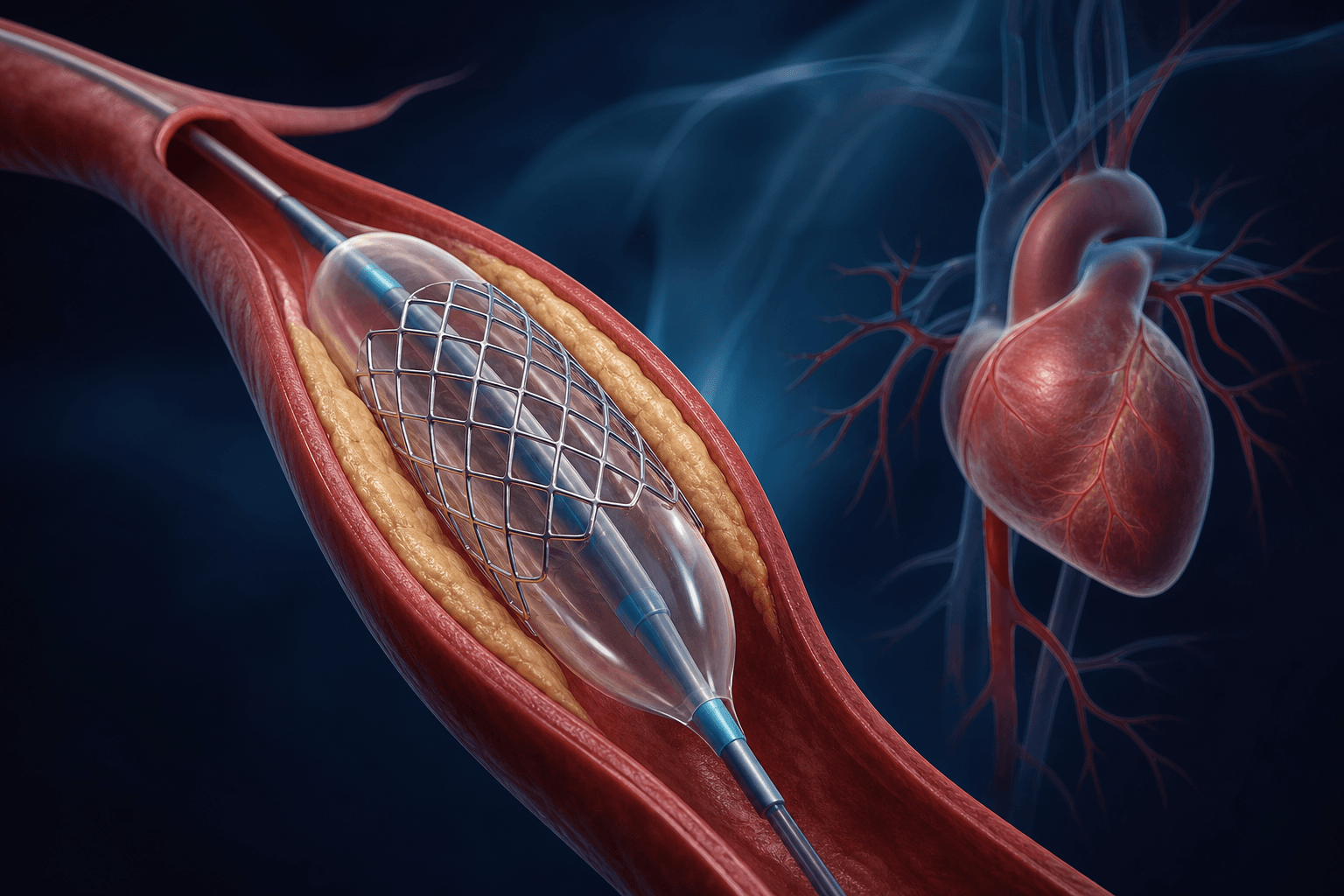
Coronary Interventions
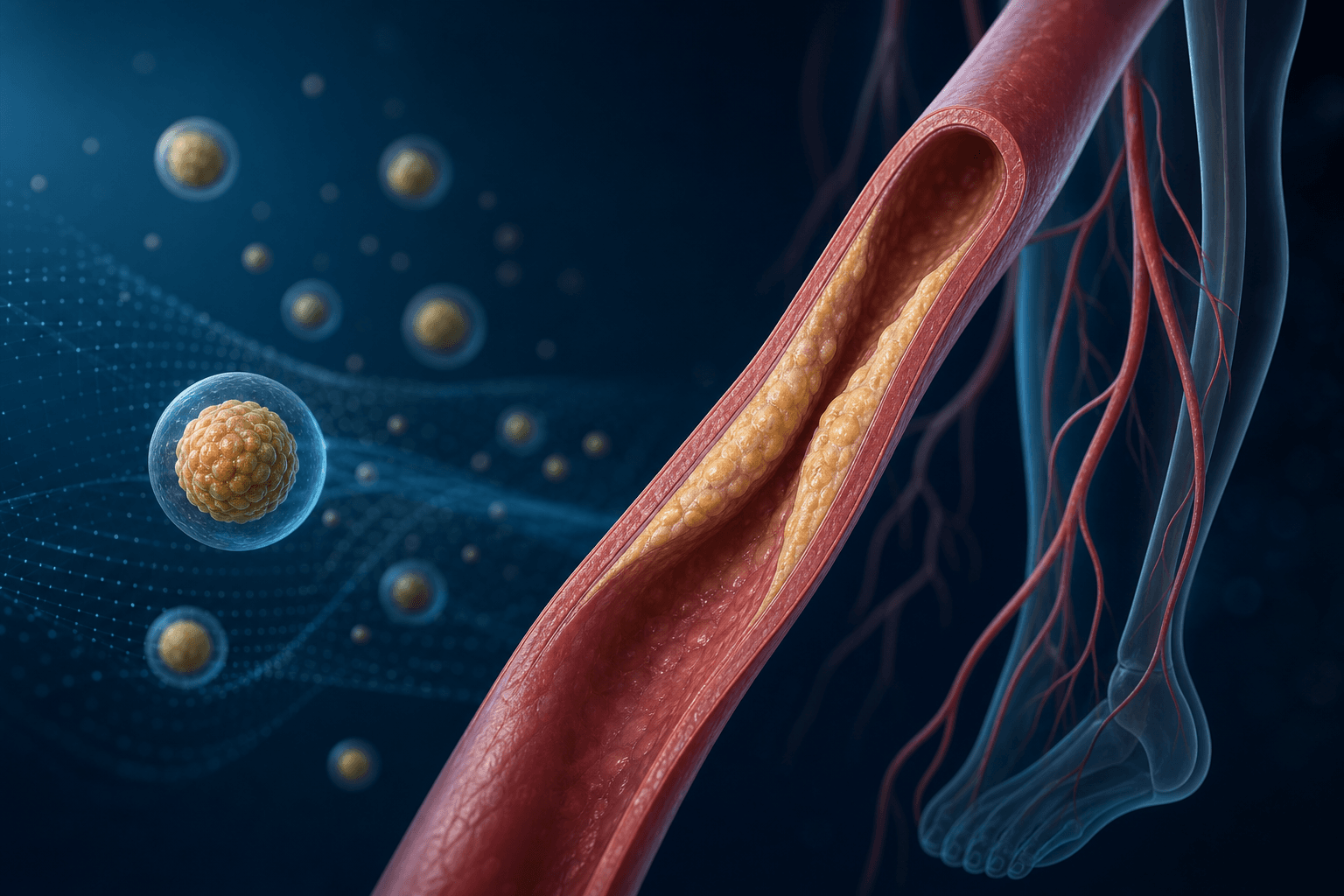
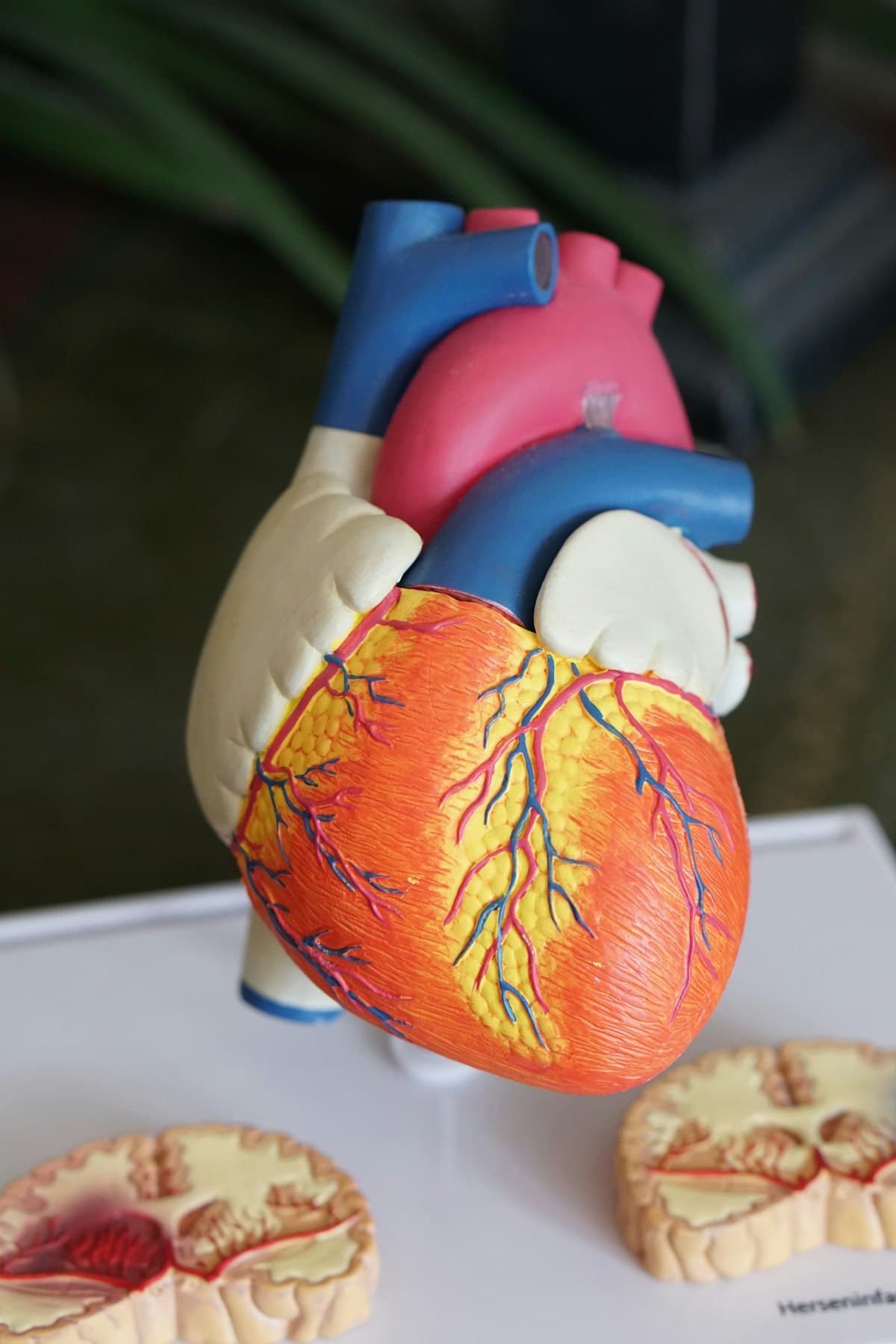
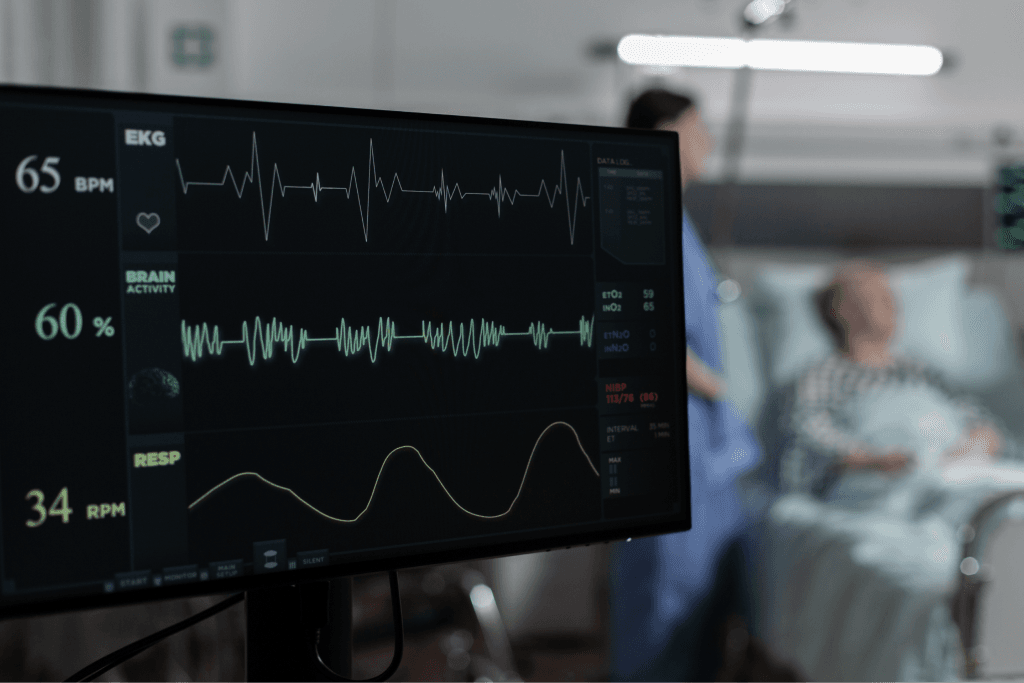
A comprehensive range of coronary interventions — from diagnostic angiography and angioplasty to primary PCI for heart attacks, complex high-risk procedures, and imaging-guided treatment with IVUS and OCT.
Trusted expertise for every cardiac condition
The most common form of heart disease — narrowing of the heart's arteries by plaque build-up. Diagnosed and treated from lifestyle measures to complex PCI.
Learn more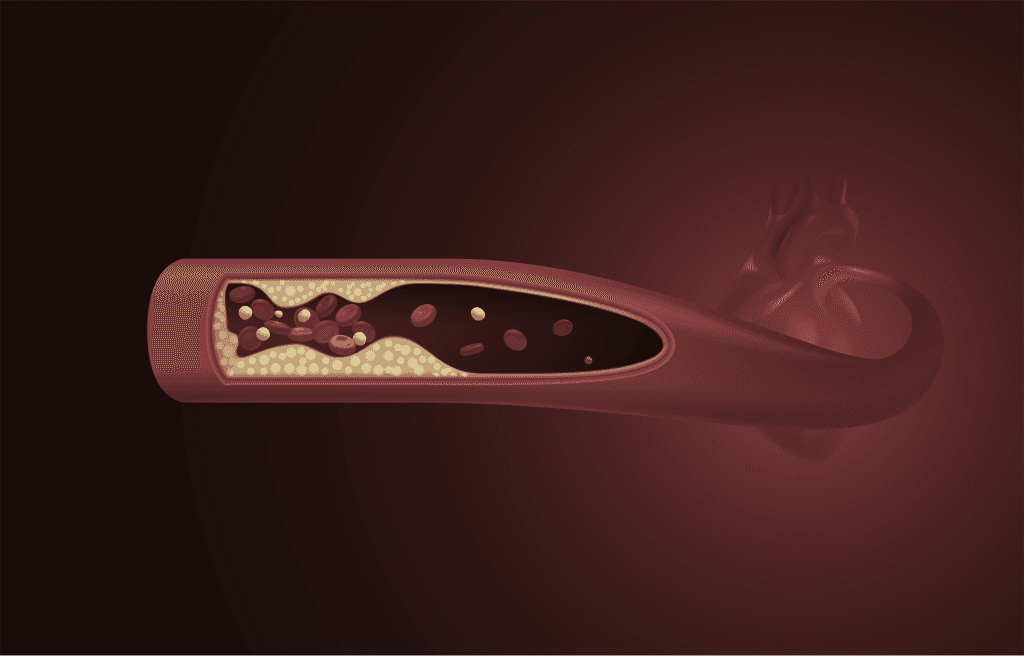
A medical emergency where blood flow to the heart muscle is suddenly blocked. Emergency Primary PCI restores flow at the earliest opportunity.
Learn more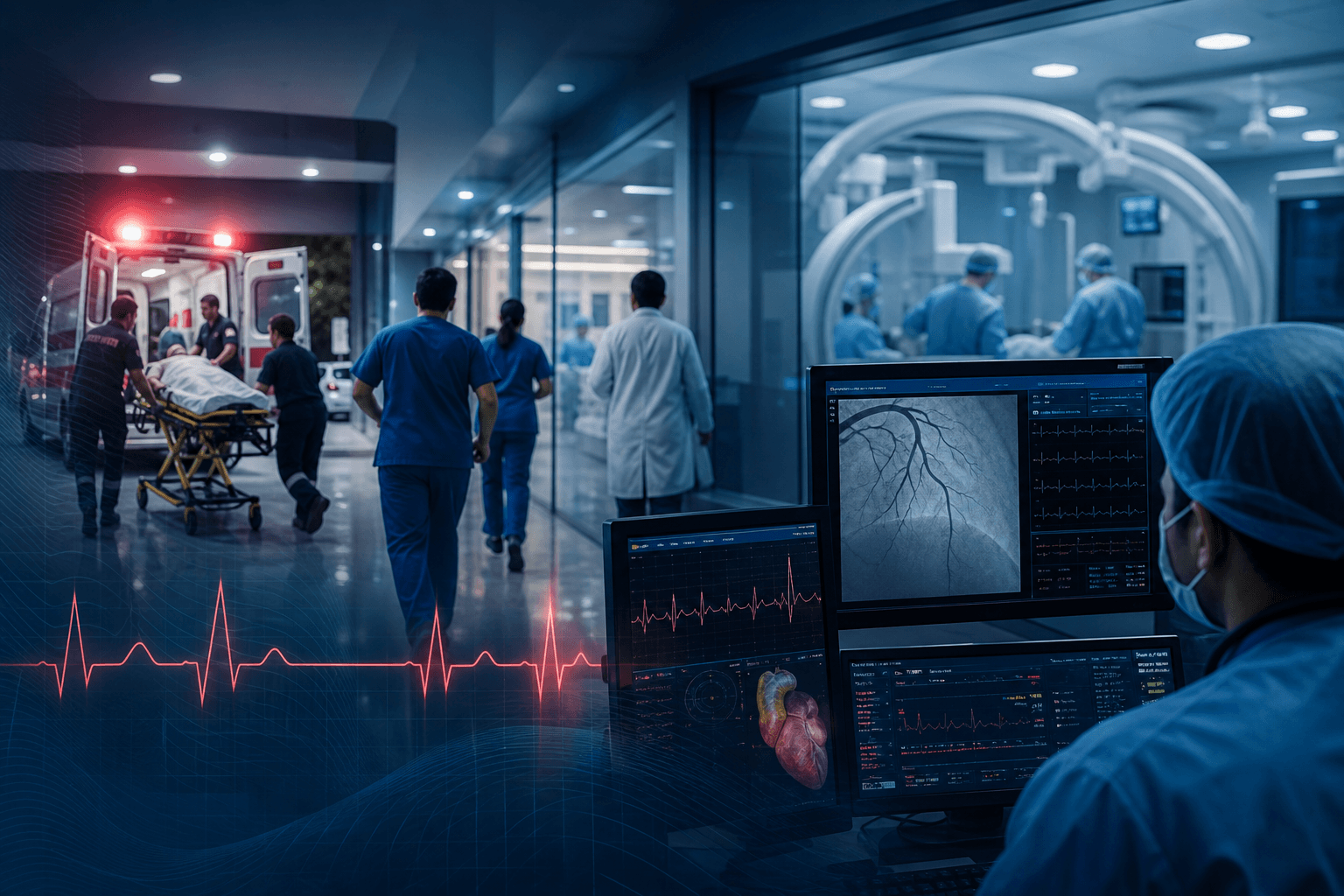
A chronic weakening of the heart's pumping ability — managed with medical therapy, CRT and ICD devices, and structured long-term care.
Learn more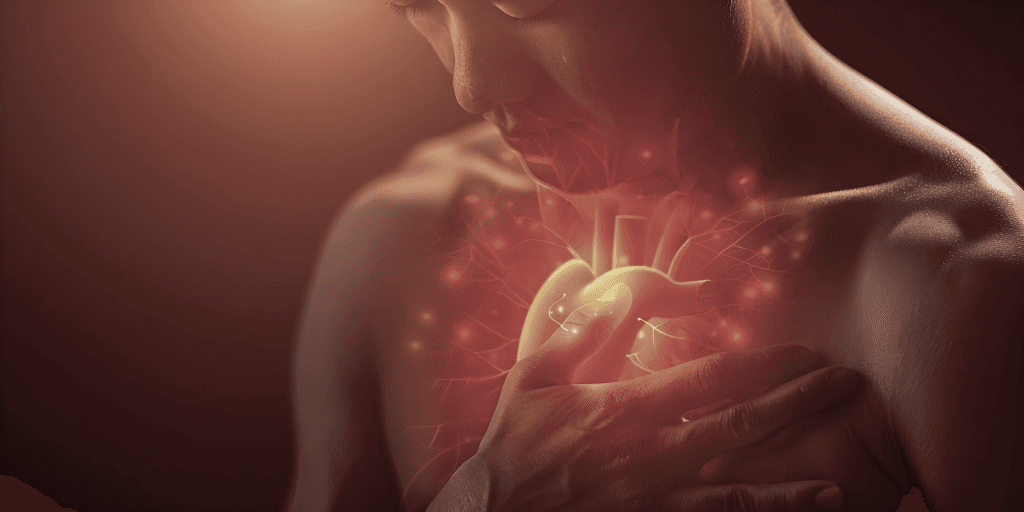
Abnormalities of heart rhythm — from atrial fibrillation and SVT to bradyarrhythmias — managed with medications, ablation, and device therapy.
Learn more
Narrowing of the arteries supplying the limbs — diagnosed and treated from lifestyle measures to endovascular intervention and limb preservation.
Learn more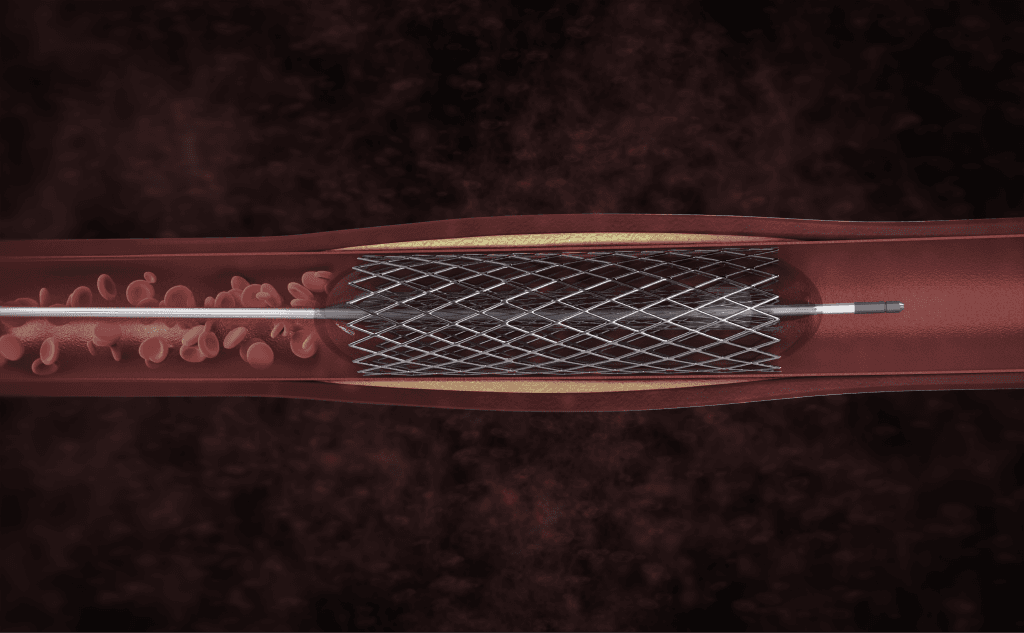
Conditions affecting the heart's valves, chambers, or walls — treated with TAVI, device closure, LAA closure, and coordinated surgical care.
Learn more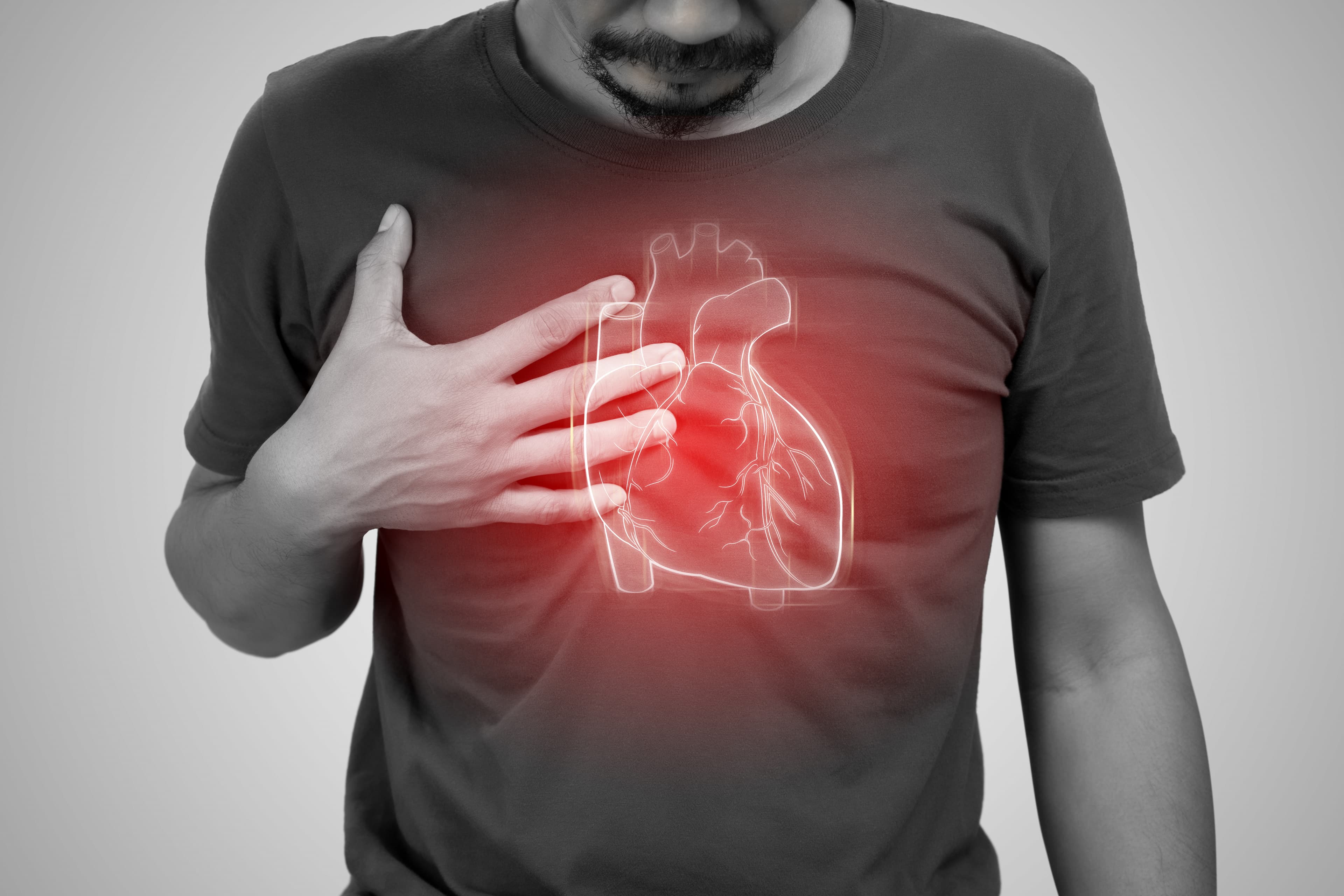
The most common form of heart disease — narrowing of the heart's arteries by plaque build-up. Diagnosed and treated from lifestyle measures to complex PCI.
Learn more
When something doesn't feel right... Listen to your heart. A different perspective can make all the difference. Gain the confidence of an expert second opinion. Get an expert second opinion from Dr. Godbole
When something doesn't feel right... Listen to your heart.
Angioplasty is a minimally invasive procedure used to open narrowed or blocked coronary arteries using a balloon and, typically, a stent. It is recommended for patients with significant coronary artery blockages causing symptoms such as chest pain or breathlessness, and is also the emergency treatment of choice for a heart attack.
Complex coronary interventions involve challenging anatomy such as blockages in the heart's main artery, blockages at branch points, arteries that are completely blocked for a long duration (chronic total occlusions), or arteries with heavy calcium build-up. Dr. Godbole has extensive experience managing such cases, including the use of advanced imaging and calcium-modifying techniques such as atherectomy and intravascular lithotripsy.
Transcatheter Aortic Valve Implantation (TAVI) is a minimally invasive, catheter-based procedure to replace a diseased aortic valve without open-heart surgery. It is generally considered for patients with significant aortic valve narrowing who are at higher risk from conventional surgery, though suitability is assessed on an individual basis. Dr. Godbole completed advanced TAVI training at the Mount Sinai Fuster Heart Hospital, New York.
A conventional pacemaker is implanted under the skin near the collarbone and connected to the heart via one or more leads (wires). A leadless pacemaker is a miniaturized device implanted directly inside the heart via a catheter, without leads or a chest incision, reducing certain long-term risks. Both are used to treat slow or abnormal heart rhythms, with the choice depending on individual patient factors.
Heart failure treatment typically combines lifestyle measures, guideline-directed medications to strengthen and support the heart, and, for eligible patients, device-based therapies such as Cardiac Resynchronization Therapy (CRT) or Implantable Defibrillators (ICDs). Treatment is tailored to the type and severity of heart failure and is reviewed regularly.
A second opinion involves a detailed, independent review of your medical records, imaging, and prior treatment recommendations, followed by a clear discussion of whether the proposed diagnosis and treatment are appropriate, along with any alternative options. This can be completed in person or remotely, and is a routine part of making informed healthcare decisions.
Certain cancer treatments, including some chemotherapy and radiation therapies, can affect heart function, either during treatment or years later. Cardio-oncology involves assessing cardiovascular risk before and during cancer therapy, monitoring heart function, and managing any cardiac effects, allowing patients to safely complete their cancer treatment while protecting long-term heart health.
Yes. Regular vigorous exercise can cause heart changes that require careful interpretation to distinguish normal athletic adaptation from an underlying condition. An athlete heart evaluation — including ECG, echocardiography, and exercise testing — is particularly valuable for competitive athletes, dedicated recreational exercisers, and anyone with a family history of heart disease or symptoms during exercise.
Cardiac rehabilitation is a structured, supervised program of exercise training, education, and risk factor management for patients recovering from a heart attack, angioplasty, bypass surgery, or a heart failure diagnosis. It improves recovery, exercise capacity, and confidence, and has been shown to reduce the risk of future cardiac events. It is recommended for most patients following a significant cardiac event or procedure.
Insights
Expert guidance for every stage of heart health

Heart Attacks in Women: Lower Plaque Levels, Similar Risk
A recent study found that women’s risk of heart attack and other major cardiac events matches that of men, even with less plaque in the arteries. Lower plaque is not the same as lower risk.
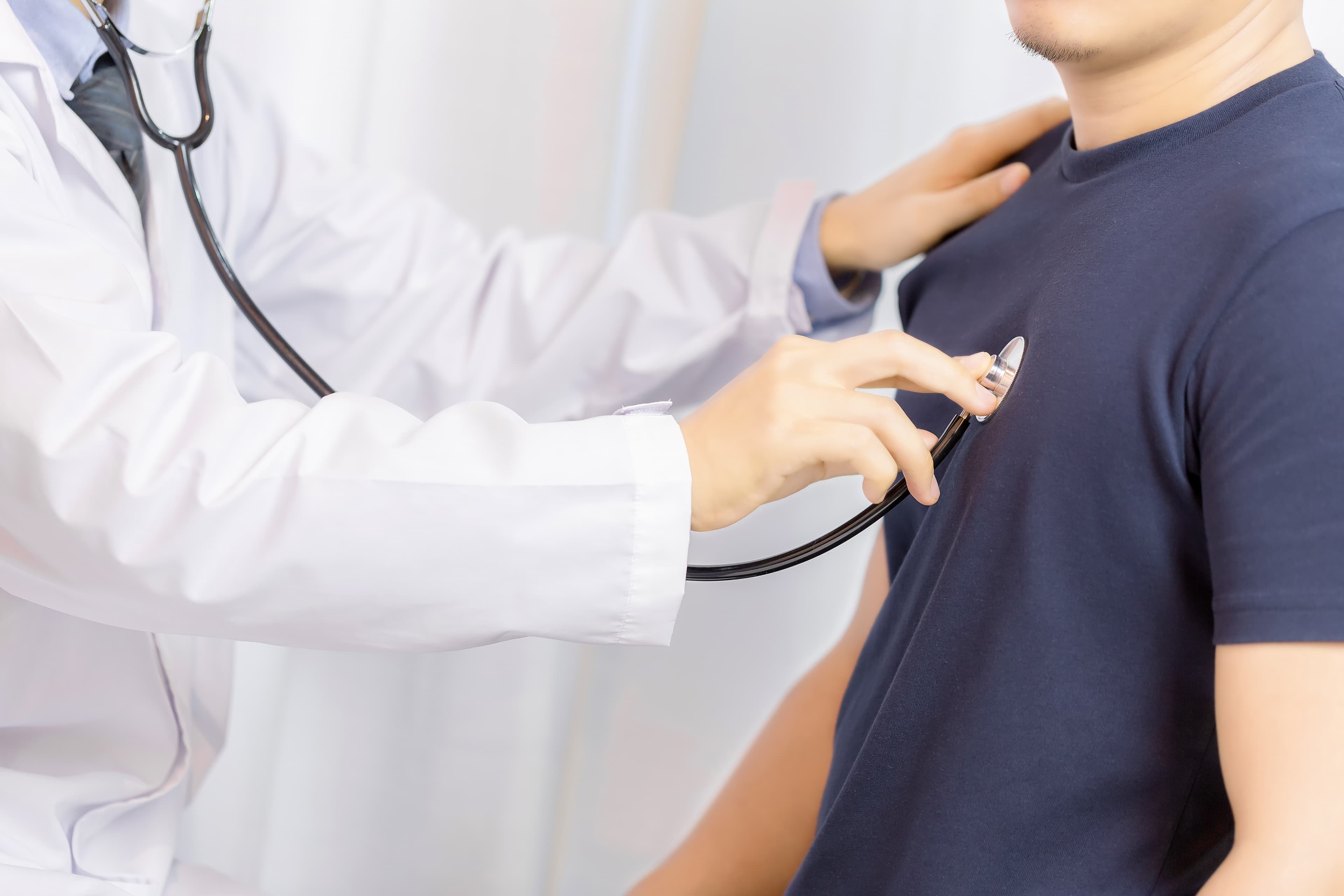
Know Your Heart: Common Heart Conditions Everyone Should Understand
Heart disease is a family of related conditions. Understanding the most common problems, their warning signs, and your personal risk factors can help you seek care earlier.
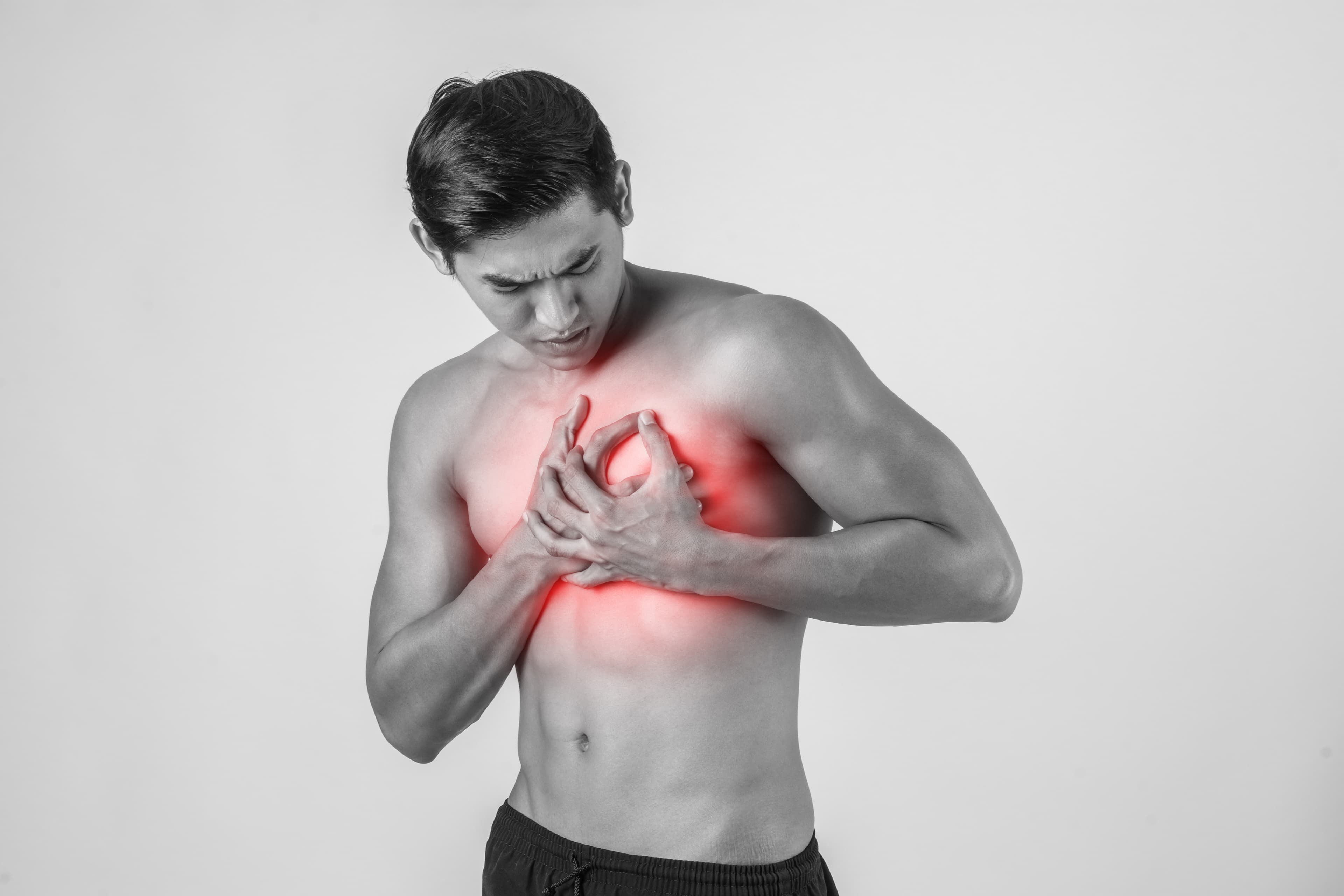
Prevention Is Powerful: Everyday Habits for a Healthier Heart
A substantial proportion of heart disease is preventable. Small, sustainable choices practiced consistently can provide powerful protection over a lifetime.